THE NHI NEEDS HONEST INTERROGATION, NOT DA ANTI-POOR FEARMONGERING BY MALESELA THUBAKGALE

The DA acknowledges the global effort to implement universal health coverage but suggest it must be done through progressive legislation, and based on their obsession to protect private hospitals we can extrapolate that in their case “progressive” denotes sustaining the two-tier health system. One for the poor, and the other for the wealthy white minority.”

25 AUGUST 2019

The NHI is but not the ultimate remedy to South Africa’s Health Care System challenges; however, its disapproval by the private sector, DA and white people in their majority is myopic, self-serving, unreasonable, and anti-poor black South Africans.

The NHI’s main objectives are to unify the historical two-tier health system of South Africa, wherein you have the private sector, which caters for 16% of the wealthy population and the public sector that caters for 84% of the population majority, which is black and poor. Consequently, all healthcare resources within the health system will be available to all irrespective of their socio-economic status. The current health private sector, in practical terms, will be outsourced by the state. Individuals will have the right to choose their health care provider accredited by the Office of Health Standards Compliance.

Health care providers will be compensated by a national health insurance fund, which is an entity funded by mandatory tax on income.  Essentially any citizen would be able to access free health care services at their facility of choice, whether private or public, as a result the two-tier system becomes a subject of history. The NHI radically reshapes the public health care system from being a site of commercial transactions, typical of a health system under capitalism, to a more socialised health care system.

The NHI obviously diminishes the role of medical aids schemes; instead of paying medical aids schemes, citizens contribute mandatory tax to the fund, which is responsible for every citizen’s health care needs in South Africa, both poor and the wealthy. Medical aids schemes under NHI will be relegated to play a complementary role, and subsidize services that are not covered by NHI.

The NHI is met with resistance by the private sector and white people in South Africa, through the DA for three reasons. The business interests of medical aids schemes, which have been a structure pursuing commodified health care in South Africa, will ultimately cease to exist. Secondly, the private hospitals accessible to only the wealthy will no longer be at liberty to selfishly pursue profits by unreasonably escalating health cost unabated.

The DA acknowledges the global effort to implement universal health coverage but suggest it must be done through progressive legislation, and based on their obsession to protect private hospitals we can extrapolate that in their case “progressive” denotes sustaining the two-tier health system. One for the poor, and the other for the wealthy white minority.

Thirdly, all hospitals, both private and public will be accessible to all South Africans, a reality white people struggle to contend with because only they deserve quality health care. They cannot imagine sharing hospitals with black people. The DA in their statement opposing the NHI says; “the ANC seems to think that in order to fix state hospitals private health care sector needs to be destroyed,” suggesting that to make private health care accessible to the general population, black and poor in their majority is collapsing health care. The subtle DA racist character finds itself exposed in its disgust for all to share in the country’s health care resources.

The opposition to this bill fails to point out how the NHI represents a regressive policy position on health. This is because the capitalist apparatus and countries the DA normally rely on for policy wisdom have also invested in universal health coverage. The World Health Organisation defines universal health coverage as quoted, “that all people and communities can use the promotive, preventive, curative, rehabilitative and palliative health services they need, of sufficient quality to be effective, while also ensuring that the use of these services does not expose the user to financial hardship”.

Therefore, rejecting the NHI bill conclusively communicates the DA’s uncomfortability in ensuring provision of free quality health care for the poor black majority. Furthermore, 12 December 2012 United Nations General assembly, reaffirmed the world health organisation’s leading role in supporting countries with challenges of implementing universal health coverage, inevitably this was to become an effort to meet the sustainable development goals as adopted by all United Nations member states in 2015.

It is therefore quite clear, and well documented, that the world health policy position, even by capitalist countries, admit health provision for all, irrespective of income, is the future of a healthy society. It’s well known and an open secret that those who stand to benefit the most are poor black people in the context of South Africa. Why must people buy health care? Why must people die of diseases because they lack the required income to pay the necessary health care skill? The suggestion by DA to keep health care a commodity for the wealthy is immoral and insensitive.

In 2005, the Turkish government introduced what they called the, Family Medicine Programme (FMP), an equivalent of NHI. This program extended basic health care services to the entire Turkish population under a free of charge system fully financed and administered by the central government. The backbone of this initiative was the assigning of each citizen to a family physician offering a basic health care service, in accessible community based family health centres. In 2010, the programme had been fully implemented. In essence, the Turkish state introduced a socialised health care system for all citizens that offered comprehensive health care services free of charge despite individual socio-economic status.

Research by the United Nations Research Institute for Social Development indicated that the overall effect of the programme an equivalent of the NHI in South Africa reduced mortality by 11% among all-age category, 25.6% among infants, 22.9% among children ages 1-4 and 7.7% among elderly, much of the impact of the programme was prominent in poorer provinces of Turkey.

Another example of the NHI equivalent is Thailand’s 30 Baht Programme, which was found to have increased health care utilization and subsequently the health status of the country with more pronounced effects among the poor people of Thailand.

It is also a known fact that Cuba under the resolute leadership of EL commadante, Fidel Castro, collapsed a two-tier health system similar to that of South Africa and implemented a unified health system accessible to all Cubans. The health system of Cuba as measured by its health outcomes, until today, remains a progressive example for the world to replicate.

There is no evidence to suggest that the NHI is a bad policy position. The fact is poor black South Africans stand to benefit from the implementation of the NHI. Its ill-informed for the DA to suggest that the NHI will cripple the health system, when, in actual fact, the two tier system, one for the poor and the other for the wealthy, currently in place suggests an already crippled health system.

The NHI must be implemented for the greater good of the population, and as a step towards the de-commodification of Health Care, a basic right as enshrined in our constitution.

However, I still maintain that NHI is not the ultimate answer to South Africa’s health care challenges. Its total implementation must be preceded by the total revamp of the public health system. The attempts on efforts to revamp prior its implementation are documented in the “Presidential Health Compact” which unsurprisingly falls short of pragmatic solutions.

Government’s Preventative health care strategy remains weak and lacks the undivided attention it deserves. To ensure that the implementation of the NHI yields desirable health outcomes, there must be a permanent consolidated community ward based preventative health care programme. Because the success of a health system will not be on the number of people it cures, but will however, be the number of people it is able to keep healthy and out of hospitals.

The preventative health care initiative obviously needs to be human resource capacitated. The “Presidential health compact” correctly identifies this fact but is not descriptive as it relates to how this will be solved. To address the skill shortage there must be a deliberate effort to expand all existing medical schools to ensure an output of medical professionals necessary to complement the NHI. The question of infrastructural deficits in the public sector must be addressed by the necessary political will.

The DA must not use courts to delay the implementation of what could rescue the health of the majority of South Africans, poor and black in majority, given the preferable conditions necessary to implement NHI. Their love for capital interests must never supersede and infringe on the rights of the majority to access free quality health care services.
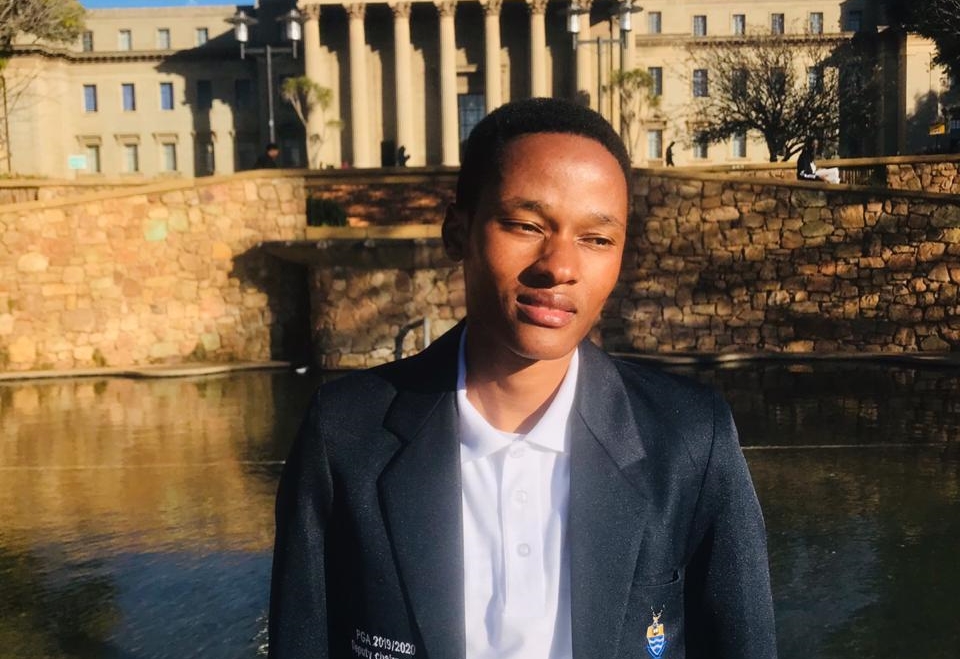
CHAPTER 6 OF STEVE BIKO’S – I WRITE WHAT I LIKE, TRANSLATED FROM ENGLISH TO ZULU BY KOKETSO MONTJANE

“With that said, I have decided to translate: Chapter 6 of ‘I Write What I Like’ by Steve Biko, from English to IsiZulu.”

24 AUGUST 2019

The task of how to decolonize curricula has been grappled with in the past few years. I believe one thing we should also be looking at is translating academic material available in different African languages. By so doing, individuals will become more confident in expressing their views, find it easier to understand what they are taught, expand their knowledge, and contribute to knowledge and share ideas.

With that said, I have decided to translate: Chapter 6 of ‘I Write What I Like’ by Steve Biko, from English to IsiZulu.

NGIBHALA ENGIKUTHANDAYO

Isahluko 6

Embhalweni wokugcina, ngibheke isigaba somphakathi wabamhlophe Namhlanje ngihlongoza ukuthinta okuphathelene nomphakathi wabamnyama—ukuqinisekiswa kwendlela entsha yokwenza.

Thina Ndlw’ Emnyama

Njengoba ngazalwa ngaphambidlana kancane kuka-19484, ekuhlakanipheni kwami konke ngiphile ngaphansi kohlaka lokubekwa ngokwahlukaniswa ngokobuzwe. Ezami ezimayelana nobungani, nezothando, nezemfundo, ukucabanga kwami kanye nakho konke okunye okumayelana nempilo yami kwabazwa kwabunjwa ngendlela yokwahlukaniseka ngokobuzwe. Ngezigaba ezahlukahlukene esikhathini sami sokuphila, ​​ngikwazile ukuphuma kwezinye izinto engazifundisa yilolu hlelo. Ngethemba, engikuhlongoza ukukwenza njengamanje ngukubheka labo abazibandakanya ekuphikisaneni nesimo—hhayi ngokukubukela kude kodwa ngokukubheka ngeso lomuntu omnyama, osibonayo isidingo esiphuthumayo sokuqonda okuyingxenye yale ndlela entsha yokwenza—“ukuzigqaja ngokuba mnyama”.

Kudingeka ukuba umuntu aqonde okusemqoka okuyizisekelo ngaphambi kokucabanga ngekhambi. Izinhlangano eziningi “ezilwisana nobandlululo” njengamanje zisebenza kuncike emqondweni obonakala njengolula ngokwedlulele.  Babheke kafushane ukuthi luyini, base behlonza inkinga ngendlela engafanele.  Sebecishe bakhohlwa nya yizici zalo futhi bebengakacabangi ngokuthi lwadalwa yini.  Yikho nje izingcicimezela zamakhambi zingeke zisilungise isimo.

Ubandlululo—olungukuhambisana nengqondo encane nokuziqhayisa kokubili—akungabazeki ukuthi lungububi. Ayikho into engenza ukuthi ukucabanga okunokuqholosha kuzwakale, ukucabanga kokuthi iqoqwana labokuhamba elicwasa abanye linelungelo lokuthathela izimpilo zeningi izinqumo. Yikho nje noma inqubomgomo yobandlululo ingaqhutshwa ngokuthembeka nangobulungiswa obungakanani, iyohlale ihlangabezana nokugxekwa nempikiswano evela kubantu bomdabu kanye nalabo ababona inkinga kulokho kwalo okubonakala njengokulungile.  Iqiniso lokuthi ubandlululo luhlanganiswa nomqondo wokuthi abaMhlophe bangcono kunezinye izinhlanga, ukuxhashazwa kwabasebenzi kanye nokucindezela ngamabomu kwenza inkinga ibe nkulu. Ukufisa izinto eziphathekayo kubi ngokwanele, kodwa uma sekuhlangene nokwentula kwezikamoya kuyabulala. Kanti futhi lokhu okubalwe kamuva yikho okudala intaba yezingqinamba emizamweni yokukhululwa kwabantu abamnyama.

Akufanele sichithe isikhathi kulokhu sibhekana nokuthandwa kwezinto eziphathekayo kubantu abamnyama. Sekubhalwe okuningi mayelana nale nkinga. Mhlawumbe kufanele kushiwo okumbalwa mayelana nokwantuleka kwezikamoya. Yini edala ukuba kungathi diki kumuntu omnyama? Ngabe nguyena uqobo ozitshele ukuthi akakwazi kwenza lutho? Kukhona okushodayo ekwakhekeni kwakhe kwendalo, lokho okuhle okungavamile, okwenza umuntu angabi nankinga ukufela ukufezwa kwezifiso zakhe? Kumbe ungumuntu oyisahlukeki nje? Impendulo yalokhu ayikho sobala.  Kodwa-ke isondelene kakhulu nalokho okuhlongozwe kamuva kunakho konke okunye. Umqondo osekela ukuphatha kwabamhlophe ngukulungiselela umuntu omnyama ukuba adlale indima esezingeni eliphansi kuleli lizwe. Kungekudala nje, lokhu kwakuvame ukushiwo kalula ephalamende ngisho nangohlelo lwemfundo yabantu abamnyama. Kusashiwo nanamhlanje, yize sekusetshenziswa ulimi oluthe phecelezi. Abenzi bobubi, ikakhulukazi, baphumelelile ekugcineni ukukhiqiza uhlobo lomuntu omnyama oyindoda ngokwesimo kuphela.  Lokhu kuyizinga uhlelo lokululaza oseluqhubeke ngalo.

Abantu abamnyama ngaphansi kukahulumeni kaSmuts babecindezelwe, kodwa babesengamadoda. Bahlulekile ukushintsha uhlelo ngenxa yezizathu esingeke sizibheke lapha. Kodwa uhlobo lwendoda emnyama lwamanje selabulahla ubudoda balo. Njengoba esaphendula igobolondo elivumela yonke into, ubuka ngokumangala ukwakheka kwamandla abamhlophe bese evuma lokho akuthatha njengesimo esingeke sashintsheka. Ngaphakathi ukudinwa kuyanda ngenkathi nokwathukwa kuqhubeka, kodwa lokhu ukukhiphela ohlangothini okungesilo—kwabanye aphila nabo elokishini, ezintweni zabanye abantu abamnyama. Akasabathembi abaholi, ngoba ngokuboshwa kwezindimbane zabantu ngo-1963 kwasolwa ukuba budedengu kwabaholi, kanti futhi abasekho abaholi abangathenjwa. Uma eseyedwa endlini yangasese, uyajika asole buthule umphakathi wabamhlophe kodwa agxume ahlale ngamahloni aphume eshesha agijimele kubasi wakhe uma emumemeza ngokungabi nasineke.  Ebhasini eliya ekhaya noma esitimeleni uhlanganyela nabanye abasola umuntu omhlophe kodwa uba owokuqala ukuncoma uhulumeni uma ephambi kwamaphoyisa noma abasebenzi bahulumeni. Inhliziyo yakhe yomele ukududuzwa ngukuhlanganyela nabamhlophe futhi yenza azisole ngokungabi “yisifundiswa” ngokwanele ukuze naye aphile ngokunethezeka. Ukubungazwa kwezinjongo ezifeziwe ngamhlophe emkhakheni wezesayensi—angawuqondi ngokwanele—kwenzelwa ukuthi abone umzabalazo ungento yalutho nokuthi alahle wonke amathemba okuthi ushintso lusengafika. Kukona konke, umuntu omnyama usephenduke igobolondo, isithunzi sendoda, isahluleki, esicwile ezinkingeni zayo, isigqila, inkunzi ethwele ijoka lengcindezelo nobugwala obuhambisana namahloni.

Leli yiqiniso lokuqala, yize libaba, okumele silivume ngaphambi kokuba siqale olunye uhlelo okuhloswe ngalo ukushintsha isimo. Kubaluleka kakhulu ukubona iqiniso njengoba linjalo uma ubona ukuthi okuyiyona nqola yoshintsho yilabo bantu asebelahle ububona. Ngakho-ke, isinyathelo sokuqala ngukwenza umuntu omnyama azibuyise, afuqe impilo kuleli gobolondo lakhe elingasenalutho, azifake ukuziqhenya nesithunzi, ukuze azikhumbuze ngokubandakanyeka kwakhe ecaleni lokuvuma ukuba asetshenziswe, ngalokho avumele ububi bubuse ezweni azalelwe kulo. Sisuke sisho lokhu uma sikhuluma ngokuzibheka komuntu ezibheka yena uqobo. Yiyo le incazelo ye-“Black Conciousness” (Ukuzigqaja Ngokuba Mnyama).

Omunye umbhali uthi uma uzama ukubhidliza zonke izakhiwo ezakhiwa eMphakatini WaboMdabu Base-Afrika nokweleka umbuso wokubuswa ngabanye ababusi ngendlela eyenza abanye bazinyeze, abombuso wamakoloni abagculisekanga ngokubamba abantu ngqi nokukhipha konke okusezingqondweni zabo ngokwesimo nangokokuqukethwe. Bathe besuka, babe bengenelela umlando wabantu abacindezelwe bawuphendukezela futhi bawushabalalisa.  Akubange kusakhulunywa ngamasiko aboMdabu Base-Afrika, kwathiwa angubuqaba. I-Afrika yaba yi”zwekazi elimnyama”. Imikhuba yezenkolo neyamasiko yabizwa ngezinkoleloze. Umlando waboMdabu Base-Afrika waphenduka waba ngezimpi phakathi kwesizwe nesinye isizwe kanye nokuvukelana kwemibuso. Kwakungekho ukufuduka ngokuzinqumela ngokuqonda kwabantu besuka endaweni yabo yokuhlala beya kwenye.  Cha, kwakuhleze kungenxa yokubalekelela esinye isidlova esifuna ukuhlula isizwe, hhayi ngoba kunesizathu esiphilile kodwa ngenxa yokufuna ukubasusa nje ebusweni balo mhlaba.

Akumangazi ukuthi umntwana woMdabu Wase-Afrika ugcina efunde ukuzonda imvelaphi yakhe ngenkathi esasesikoleni. Isithombe asibonayo simbi ngale ndlela yokuthi uthola induduzo ngokubonakala njengosondelene nomphakathi wabamhlophe.

Ngakho-ke, akukho ukungabaza, enye ingxenye yezindlela ezihlosiwe ekuletheni “ukuzigqaja ngokuba mnyama” ngukuba kubhekiswe esikhathini sakudala, ukuze kubhaleke kabusha umlando womuntu omnyama futhi kukhiqizwe kuwo amaqhawe ayingxenye engumongo wesizinda sobu-Afrika. Ngale ndlela yokuthi imibhalo eminingi emayelana noGandhi eNingizimu Afrika iyakhula, kungashiwo ukuthi umphakathi wabomdabu baseNdiya usuqalile ukusebenzela phezu kwalokhu. Kodwa kuncane okushiwoyo maqondana namaqhawe ase-Afrika. Abantu besizwe esingenawo umlando omuhle bafana nenqola engenanjini. Imizwa yabo

ngeke ilawuleke kalula futhi ngeke iholeleke emgudwini obonakalayo. Bavame ukuvela njengesithunzi ngemuva komphakathi ophumelele kangconywana kunabo. Yingakho nje ezweni elinjengelethu bephoqwa ukuba bagubhe usuku olunjengePaul Kruger’s day, iHeroes’ day, iRepublic day, njll.,— konke okuyimigubho okuvuselelwa kuyo ukululazwa kokuhlulwa.

Kanti-ke nathi besingacaphuna okuningi okuhle emasikweni ethu endabuko obekungafundisa abaseNtshonalanga okukodwa noma okubili.  Isibonelo salokho ngubunye bomphakathi, okuyinto engumongo wamasiko ethu. Ubulula bendlela aboMdabu Base-Afrika abaxhumana ngayo uma bekhulumisana akuphoqwa abaphethe kodwa kuyinto ezenzekalelayo nje ngokwendalo kubantu boMdabu Base-Afrika.  Ngakho-ke, njengoba umndeni wabamhlophe ungahlala endaweni eyodwa kodwa ungazani nabanye njengomakhelwane, aboMdabu Base-Afrika bazizwa beyingxenye yomphakathi ngokushesha ngemva nje kokuhlangana.  Uthola izikhulu zesibhedlela zixakwa umkhuba waboMdabu BaseNdiya wokuhambisela iziguli abangasazikhumbuli namagama izipho nemikhungo. Nakho lokhu kungukubonakaliswa kobudlelwano phakathi komuntu nomuntu empilweni yabantu abamnyama okuhlukile kulokho kwempilo yabaMhlophe okungahambisani nobuntu. Lezi yizimo okungafanele sivume ukuba zishabalale. Inani lalokhu liqondwa kuphela yilabo bethu abebengakenziwa izigqila zobuchwepheshe nemishini. Umuntu anganikeza eziningi izibonelo. Nalapha futhi “ukuzigqaja ngokuba mnyama” kuhlose ukubonisa abantu abamnyama inani lamazinga abo kanye nendlela ababhekwa ngayo. Kunxenxa abantu abamnyama ukuba bazibheke ngokwalawo mazinga bangakhohliswa ngabantu abamhlophe, asebezikhohlwe ngale ndlela yokuthi sebesebenzisa izindlela zabamhlophe njengesikalo esesisetshenziswa ngisho nangabantu abamnyama ukwahlulela abanye abantu abamnyama.

Cishe kubalulekile njengamanje ukuxwayisa bonke abantu ngemikhawulo yokubekezela kwengqondo yomuntu. Lokhu kubalulekile ikakhulukazi kubantu boMdabu Base-Afrika. Umhlabathi wenguqukombuso uhlale uvundile uma kukhona ukwentula. Umuntu uze abone sengathi kuzofika isimo lapho abantu abamnyama sebezwa sengathi ayikho into abayiphilelayo, bazoze bamemeze uNkulunkulu wabo bathi “Intando yaKho mayenziwe.” Impela intando yaKhe iyokwenzeka kodwa ngeke ibhekeke ngokulinganayo kubo bonke abaphilayo ngoba impela sinezinhlobonhlobo ezahlukahlukene zentando yakhe. Uma kunguNkulunkulu omhlophe obelokhu ekhuluma ngaso sonke lesi sikhathi, kuyofanele noNkulunkulu omnyama ngesinye isikhathi naYe aphakamise izwi laKhe azenze ukuba Azwakale ngaphezu komsindo womlingani waKhe. Okuyokwenzeka lapho kuyoncika kakhulu ekutheni kwenzakalani ngesikhathi sokungenelela. “Ukuzigqaja ngokuba mnyama” kuhlose ukuveza ubuhle obubonwa ngabantu abamnyama ezinkingeni zabo. Kusebenza ngokwazi ukuthi “inzondo yabamhlophe” yinto embi, yize iqondakala, futhi iholela ezindleleni zokwenza ezinokuxhamazela nokungadala umonakalo ngokulinganayo kwabamnyama nabamhlophe.  Kuhlose ukuholela imibutho yabantu abamnyama abayizindimbane abafuthelene emigudwini eqondile yokuphikisa nencikise umzabalazo wayo wonke ebunjalweni besimo.  Kufuna ukuqinisekisa injongo eyodwa emiqondweni yabantu abamnyama nokwenza kube lula ukuzibandakanya ngokuphelele emzabalazweni okungowabo.

Sithini-ke ngenkolo yomuntu omhlophe—UbuKrestu? Kubonakala sengathi abantu abazibandakanya ekufundiseni ngobuKrestu kubantu abamnyama bayala ukususa isisekelo esibolile esalekwa ngabasebenzi bezenkolo abaningi ngenkathi befika.  Kuze kube yinamhlanje, abantu abamnyama abawutholi umyalezo oqondene nabo eBhayibhelini ngenxa yokuthi abafundisi bethu basamatasatasa babhekene nezinto ezingathi shu ezimayelana nokuziphatha. Bamemezela lezi kakhulu sengathi yizo ezibaluleke kunazo zonke uJesu ayefuna ukuzitshela abantu. Banxenxa abantu ngaso sonke isikhathi ukuba bazibone benamaphutha bese kuthi ngokwenza kanjalo bagudluke emnyombweni womzabalazo abantu abazibandakanye kuwo. Ngenxa yokuthi bancishwa ukudla komphefumulo, abantu abamnyama bafunda ibhayibheli ngokukhohliseka okumangazayo. Ngenkathi becula ikhorasi sakuvuma izono balekelelwa ngamaqoqo abantu abamhlophe abacula inguqulo ehlukile—

“akusilo iphutha lakho” Ukudidaniswa kwesikhathi sikaNkulunkulu ohlose okuhle ovumela abantu ukuba baqhubeke bahlukumezeke ngaphansi kohlelo okucace bha ukuthi alulungile akuqondakali ebantwaneni abamnyama abaqhubekayo nokushiya amasonto ngamakhulukhulu. Abantu abaningi bazibandakanya kwezenkolo ukuze abamnyama bangabanaki. Kuyacaca ukuthi yinye kuphela indlela esivulelekele thina, ngukuchaza kabusha umyalezo osebhayibhelini nokuwenza uzwakale ngendlela efanele kwizindimbane zabantu ezihluphekayo.  Ibhayibheli akumele libonakale sengathi lishumayela ukuthi bonke abasemandleni babekwe nguNkulunkulu. Kumele lishumayele ukuthi kuyisono ukuvuma ukucindezelwa.  Ibhayibheli kumele liqhubeke livezwe njengento enomyalezo nakumuntu omnyama ukuze aqhubeke ohambeni lwakhe olude lokuziqonda. Lo ngumyalezo otholakala kwi”black theology”, okuyimfundiso yokuthi inkolo yobuKrestu ingasetshenziswa ukukhulula abamnyama kwingcindezelo. Imfundiso yokuthi inkolo yobuKrestu ingasetshenziswa ukukhulula abamnyama kwingcindezelo ihlose ukuqeda ubuphofu kwezikamoya kubantu abamnyama. Ihlose ukuveza ukubheda komcabango wabamhlophe wokuthi “ukukhonza amadlozi” kwakuyinkoleloze nokuthi inkolo yobuKrestu yinkolo ehambisana nemigomo yesayensi. Yize imfundiso yokuthi inkolo yobuKrestu ingasetshenziswa ukukhulula abamnyama kwingcindezelo igxile emyalezweni wenkolo yobuKrestu, ihlose ukuveza ukuthi ubuKrestu buyinkolo engaguquleka nengena khaxa esimweni samasiko abantu abamnyama abafundiswa yona.  Imfundiso yokuthi inkolo yobuKrestu ingasetshenziswa ukukhulula abamnyama kwingcindezelo ihlose ukuveza uJesu njengoNkulunkulu olwayo owayebona ukushintshisana ngemali yamaRoma—ukwakhiwa kwezinhlamvu zabacindezeli—ethempelini likaYise njengento ephambene nobungcwele ngale ndlela yokuthi Waliswana nayo ngodlame—iNdodana YoMuntu.

Ngakho-ke, kuzona zonke izinkundla “Ukuzigqaja Ngokuba Mnyama” kuhlose ukukhuluma nomuntu omnyama ngolimi lwakhe.  Kuyoba ngukubona indlela izinto ezihleleke ngayo emphakathini wabantu abamnyama kuphela okuyosiza ukuba umuntu aqonde isidingo esiphuthumayo sokuvuswa kwezindimbane zabantu ezilele.  Ukuzigqaja ngokuba mnyama kuhlose ukwenza lokhu.  Asikho ngisho isidingo sokusho ukuthi kuyomele kube ngabantu abamnyama bona uqobo okufanele bathathe lolu hlelo baluyise phambili ngoba impela uSekou Toure wayekhuluma iqiniso mayethi:

Ekubambeni iqhaza kwinguqukombuso e-Afrika, akwanele ukubhala iculo lomzabalazo; kumele indlela yomzabalazo yenziwe ihambisane nabantu.  Uma uyenza ihambisane nabantu, amaculo azozizela futhi azoza ngabo.

Ukuze kufezeke lokho ofuna ngempela ukukwenza, kumele nawe ube yingxenye ephilayo ye-Afrika futhi ecabangayo ngayo; kumele ube yingxenye yalowo mfutho obizelwe ukukhulula, ukuqhuba phambili kanye nenjabulo ye-Afrika.    Ayikho enye indawo ngaphandle elwela iciko noma isifundiswa naso esingenandaba futhi esingazibandakanyile nabantu abasempini enkulu ye-Afrika neyokuhlupheka kwabantu.